
Modern Medicine and Law in “The 21st century“
Firstly allow me to applaud the Women In Medicine Lesotho (WIML) for their selection of this topic and to say this may possibly be a thematic area for a long time as when we speak of (i) Modern Medicine and (ii) Law. We fundamentally ask, probe and critique diverse facets that speak to: doctor – patient relationship,
- ethicacy of research and
- comprehensiveness of the medical educators and medical professionals in imparting, sharing and formulating a framework necessary for not only medical policies but enactment of laws that are in line with the modern day medical practice.
Often times when “law” comes up in a discussion we immediately do mental switch to wrongfulness, unlawfulness and medical malpractice and forget about the ethicacy components of the law that enables all stakeholders in medicine to have a sound understanding of the duties, roles and responsibilities of all stakeholders.
(i) It is a standard medical ethical conduct that has roots with the Hippocratic oath of circa 400 BC that: the interests of a medical professional is to care, protect the interests and health well – being of the patient in line with the medical professionals abilities. This common law rule is now affected by a number of legal dilemmas in modern medicine including:
- Adoption of best practice Corporate Governance Practices. The ethos of Mohlomi Corporate Governance Code which espouses transformational Leadership.
- Continuous trainings due to new discoveries and medical advances in medicine.
- Best practice communication skills and how each party to the medical field (profession) introduces themselves to the other.
- Are there standard contractual guidelines that give consent on what a medical practitioner should let the patient who is a participant in a clinical study know for informed choices.
- In cases where the ratio of doctor – patient is compromised, does bukana ea ngakeng, tell a preamble/selelekela of the relationship as between doctor – patient before we get to why the patient has visited the health centre. (limitations of consultations and how ae mitigations exercised)
- We now live in the era of accessibility to technology and that may even without empirical data may as well on the face of it say that we all have access to medical information which have possibly not passed the medical ethicacy and integrity tests, patients bring that to the table, they disclose or make non-disclosures of home remedies which may not have been researched for ethicacy.
- Modern day medicine now has a component of profit. What does that say to the principles of the ethicacy of the medical profession to:
- Protect human health, care, alleviate and materially respect for fundamental human rights.
- Modern medicine is also to be cognisant of advances in other fields of study that potentially bring into play advocacy to the health professionals that they also need continuous and intentional appraisals and continuous education on areas that affect them. They are without being exhaustive:
- Children ‘s rights
- Confidentiality of medical information and exceptions
- Advocacy on access to information by and to the public
- Field of study of the Doctors specialties and how to access the medical professionals’ continuous education.
- Digital health especially in maternal care and neonatal health care.
Interrogations of the benefits and partially highlighted challenges of modern medicine and law in the 21st century truly force us to have a continuous progressive and transformational leadership and management theorems that are continuously on the radar of medical audit; as we now face the scrouge of use of drugs by the youth of Lesotho and the same drugs now being accessed by all sectors of the population for different motives.
How do we then protect medical practitioners from what may be viewed as a medical malpractice of: what may not have been until it is too late. Ho hlahloba ntho e sieo!!
On the issue of medical professional indemnity what does that mean on the medical practitioner’s insurable interest.
Often times medical practitioners prefer to settle litigation out of court as on a balance of probabilities there is potential threat and fears around tarnished integrity real and perceived. Then the question goes back to the medical professionals, how does the profession speak to the challenges, awareness and advocacy platforms to enable all stakeholders have access to information which fundamentally Lesotho ranks low on it on global ratings.
May I pause here and say let’s all commit to building a better Lesotho that has a healthy nation irrespective of social class; and pioneer new findings especially in areas of medicinal plants which incidentally during and post partial Covid-19 we now can say through diverse social media platforms are used and surely are here to stay.
Thank you dear Women in Medicine Lesotho for this opportunity which I must say as an Attorney in the space of corporate law and in particular international investment law and former Prosecutor and a social scientist has really challenged all of us in our different professions, and in particular, the legal fraternity to really ask ourselves if we have a basic appreciation, reasonable skill and knowledge of appreciating legal ethics in the medical field or do we all sit and wait (unintentionally so) for the aggrieved person who cries out to have justice served on cases of alleged medical malpractice.
Lastly, this has really made me reflect on the rules, of evidence and what form of medical expert evidence is admissible.
I, therefore implore on all stakeholders to intentionally and continuously enact laws and regulations and practical adaptations of medical profession best practice to ensure we all live in peace and harmony as the global community and Basotho.
I Thank you,
Molimo A Boloke Lesotho Le Basotho.
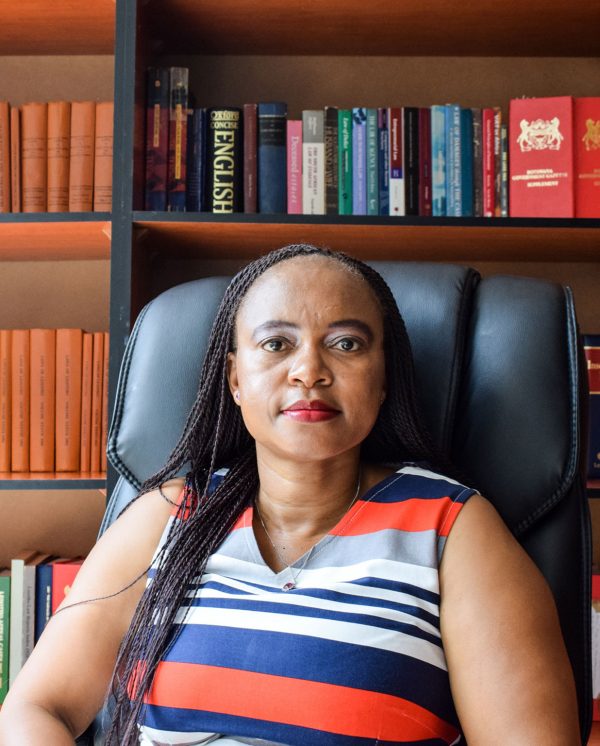
Attorney Tiisetso Sello-Mafatle
